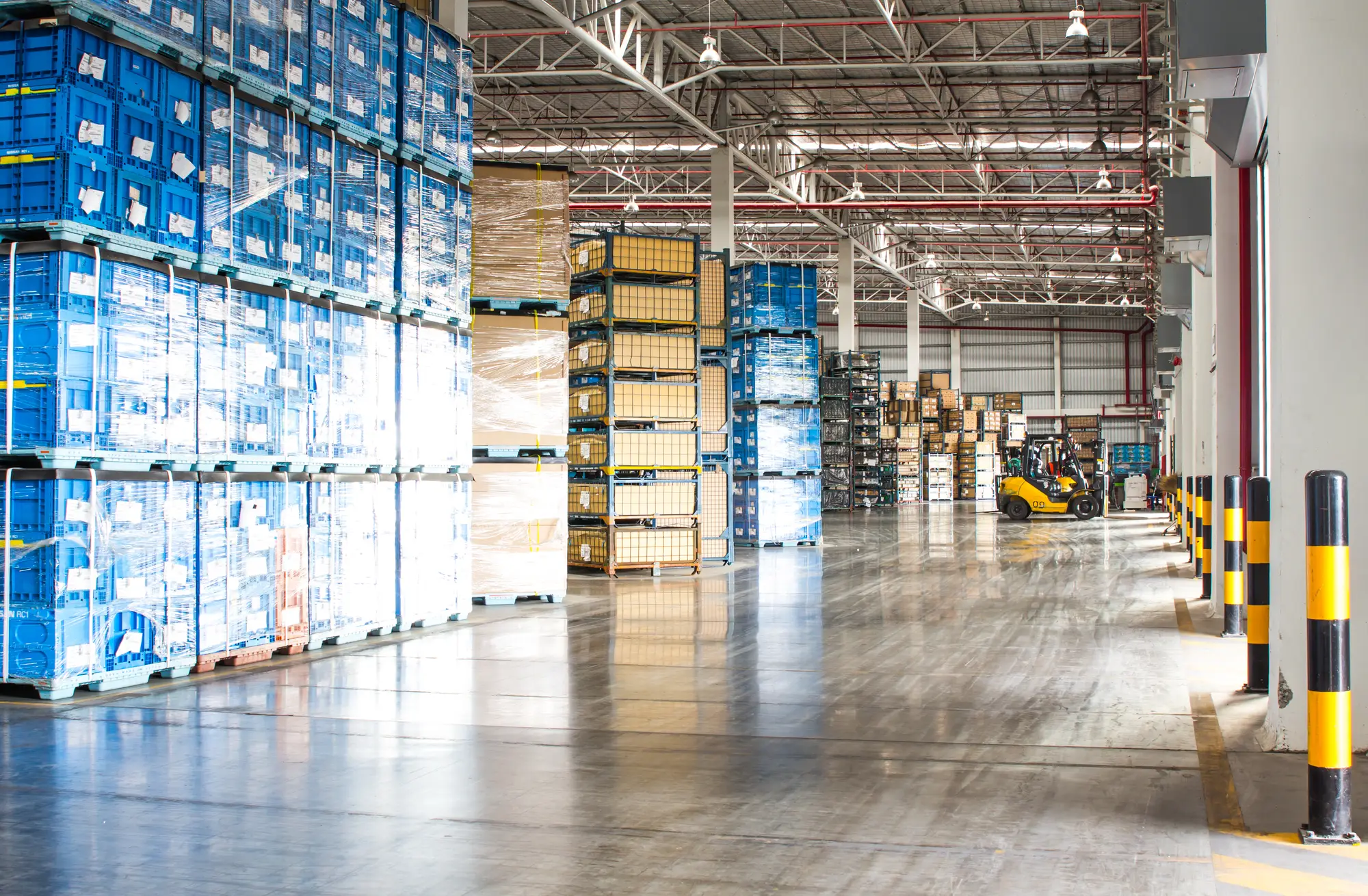
If you manage a warehouse, shop, or production facility in Winnipeg’s industrial corridors – from Meadows West to The Maples – you’ve dealt with concrete floor problems. Cracks that spread. Coatings that peel. Patches that fail within a season. And every time the floor needs work, you’re shutting down operations, moving equipment, and losing money.
Seamless epoxy flooring eliminates the cycle. Instead of patching the same spots year after year, a properly installed epoxy system bonds to the concrete substrate and creates a continuous, joint-free surface that resists impact, chemicals, abrasion, and moisture. No seams means no weak points where damage starts.
Why Industrial Floors In Winnipeg Fail
Winnipeg’s freeze-thaw cycles are brutal on concrete. Water seeps into hairline cracks, freezes, expands, and breaks the surface apart from the inside. Facilities near Adsum Park and Mandalay West deal with this every spring – floors that looked fine in October are spalling by April.
Add forklift traffic, chemical spills, and heavy equipment impact, and standard concrete doesn’t stand a chance. Thin paint coatings and DIY epoxy kits peel within months because they can’t handle the thermal movement or the mechanical stress. Even floors that have been through concrete repair end up cracking again if the surface isn’t properly sealed with a system designed for industrial use.
How Seamless Epoxy Solves The Problem
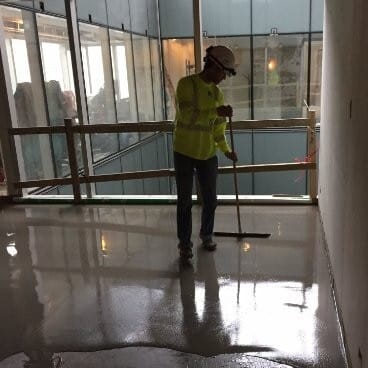
A professional seamless epoxy system works differently from a surface coating. Here’s what the installation involves:
- Surface preparation: The existing concrete is mechanically ground or shot-blasted to create a proper bonding profile. This step is non-negotiable – skip it and the epoxy lifts within a year.
- Crack and joint repair: Existing damage is filled with flexible epoxy compounds that move with the concrete instead of cracking again.
- Base coat application: A high-build epoxy resin is applied at 10-20 mils thickness, creating a structural layer, not just a cosmetic one.
- Topcoat: A chemical-resistant urethane or polyaspartic topcoat seals the system and provides the wear surface for forklift tires, chemical drips, and daily abuse.
The result is a single continuous surface with no joints and no weak spots. For facilities that also need moisture management before the epoxy goes down, moisture control testing is a critical prerequisite that prevents coating failure from below.
Downtime Vs. Long-Term Savings
Installing a seamless epoxy floor means shutting down the area for 2-5 days. But compare that to patching the same cracks every 6 months, repainting every year, or dealing with a slip-and-fall claim because the coating peeled near a loading dock.
Facilities that switch to seamless epoxy typically see 10-15+ years of performance before any maintenance is needed. Over a decade, that’s thousands in avoided repairs and zero unplanned shutdowns.If your industrial floor in Winnipeg keeps failing, stop patching and start solving. TCF West installs seamless epoxy flooring systems built for the conditions your facility actually operates in – Winnipeg winters included.
Contact us to schedule a site assessment.